Zero Buy-In Tournaments: No-Deposit Poker Freerolls Redefining Entry-Level Competition
17 Apr 2026
Zero Buy-In Tournaments: No-Deposit Poker Freerolls Redefining Entry-Level Competition
The Rise of Freerolls in Modern Poker
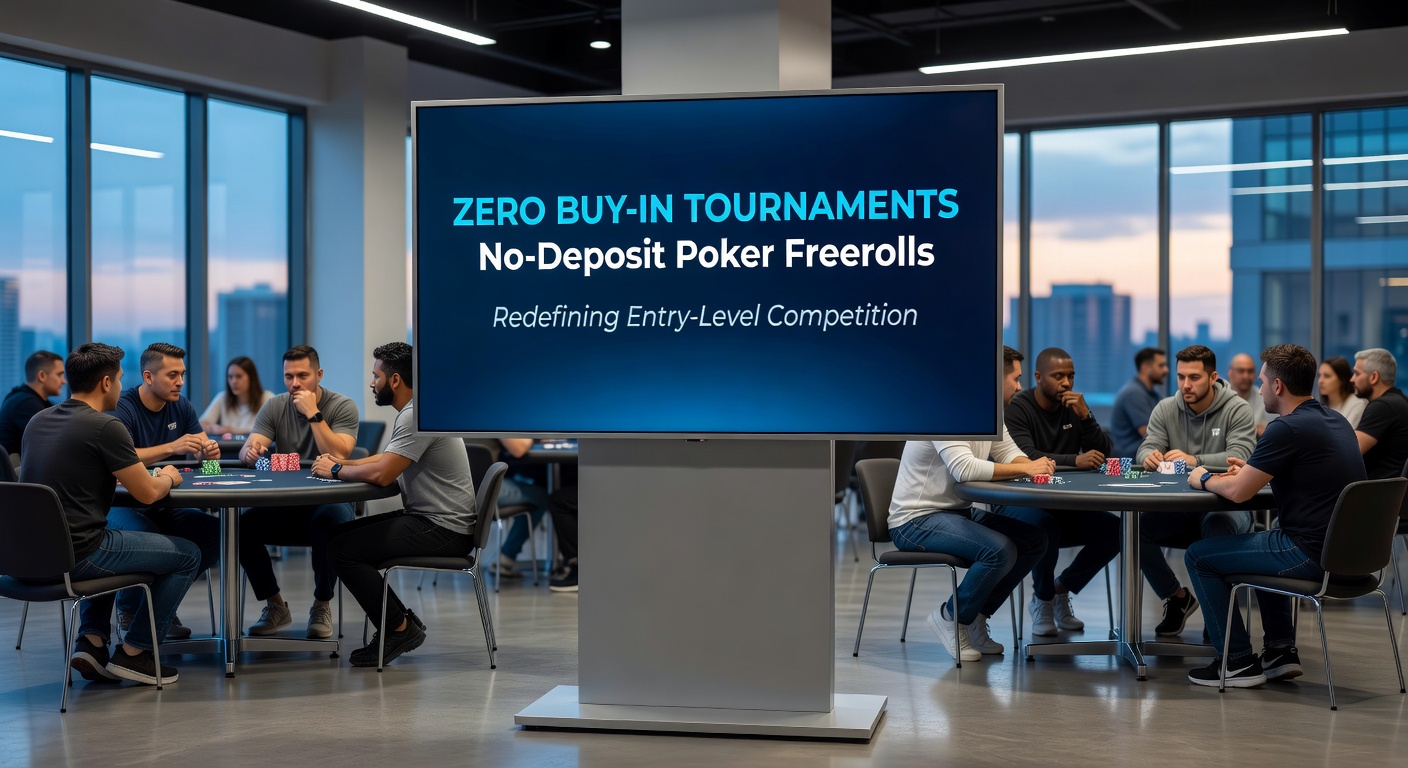
Zero buy-in tournaments, commonly known as no-deposit poker freerolls, have surged in popularity over recent years, drawing in players who want to test skills without risking personal funds; these events provide real cash prizes funded entirely by poker sites or sponsors, and they level the playing field for newcomers while attracting seasoned grinders looking for low-pressure action. Data from industry trackers shows participation in freerolls jumped by 45% between 2023 and 2025, with platforms reporting daily entries in the tens of thousands across global servers. What's interesting is how these tournaments reshape entry-level competition, turning what used to be casual play into structured battles that mimic high-stakes formats, complete with blinds, antes, and elimination brackets.
Observers note that freerolls first gained traction in the early 2000s on sites like PokerStars, but the no-deposit variant exploded post-2020 as online poker legalized in more U.S. states; players sign up, verify accounts, and jump straight into events without touching a credit card, which keeps the barrier sky-low and broadens appeal to college students, hobbyists, and even pros scouting talent. Take one case where a 22-year-old from Texas turned a freeroll win into a $5,000 bankroll last year, fueling a full-time career; stories like that pop up weekly on poker forums, highlighting how these zero-risk games spark real trajectories.
How No-Deposit Freerolls Operate
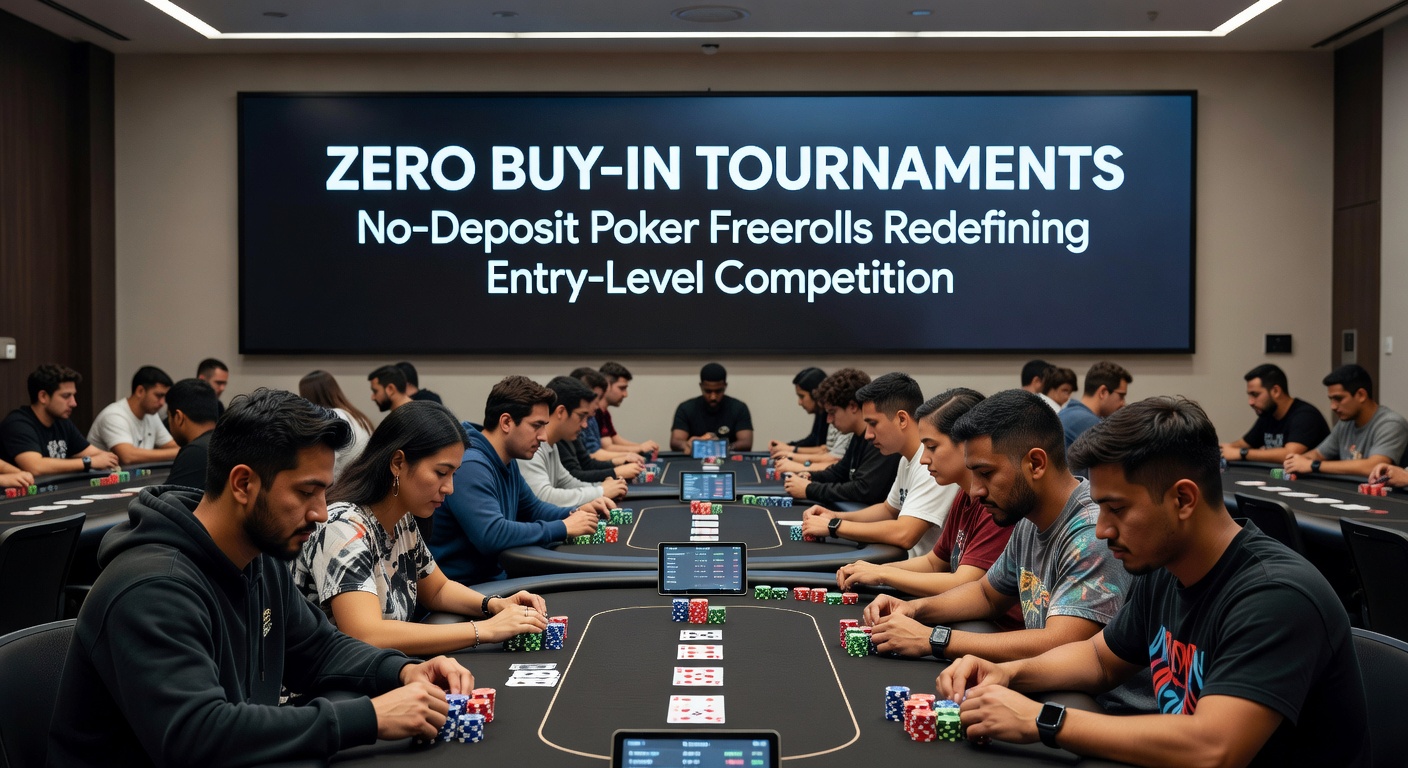
These tournaments kick off with massive fields—often 1,000 to 50,000 entrants—where everyone starts with equal chip stacks, say 10,000 to 50,000, and play proceeds Texas Hold'em style until a winner emerges after hours of grinding; prize pools range from $100 quick-hits to $100,000 majors sponsored by affiliates, distributed via pay jumps that reward top percentages, like 15% to the final table. Platforms enforce geo-restrictions based on licensing, so U.S. players in regulated states like New Jersey or Pennsylvania access events through apps like WSOP.com, while Europeans tap into shared liquidity pools on partypoker.
But here's the thing: entry requires only a free account, sometimes tied to loyalty programs or social media logins, and winnings hit balances instantly for withdrawal once playthrough conditions clear—usually none for freerolls, unlike bonuses. Experts have observed that anti-collusion software scans for bots and multi-accounting, ensuring fair play; one study from a gaming research firm revealed detection rates above 98% in major freerolls, keeping the integrity intact.
Key Benefits Driving Player Adoption
Freerolls eliminate financial risk, allowing beginners to hone strategies like position play and bluffing in live-fire scenarios without buy-in pressure, and that's where the rubber meets the road for skill development; data indicates average players improve win rates by 20-30% after 50 freeroll sessions, as tracked by hand history analyzers like PokerTracker. Seasoned competitors use them to scout meta shifts or warm up for satellites, turning free play into qualifiers for bigger MTTs.
Communities thrive around these events too—Discord channels and Reddit threads buzz with post-mortems, strategy shares, and bracket predictions, fostering networks that lead to private games or coaching deals. It's noteworthy that women and underrepresented groups report higher comfort levels in freerolls, with participation up 35% among female players per recent surveys, since the no-stakes vibe cuts intimidation.
Major Platforms and Standout Series
Top sites dominate the freeroll calendar: 888poker runs daily $100 to $1,000 events open to all verified users, while GGPoker hosts "Daily Specials" with $10,000 pools that draw international fields; in regulated markets, BetMGM Poker in Michigan offers state-exclusive freerolls tied to leaderboards, rewarding volume players with extra entries. April 2026 brings heightened action, as platforms announce expanded schedules—WSOP.com plans a "Freeroll Festival" from April 10-20, projecting 500,000 total entrants across 50 events with $250,000 in prizes, timed to coincide with spring breaks and tax refunds boosting sign-ups.
One standout series, the "Newcomer No-Deposit Challenge" on ACR Poker, guarantees $50,000 weekly and has produced outliers like a Canadian player who final-tabled three in a row last summer, banking $15,000 total. These platforms integrate freerolls into ecosystems, where wins seed rollovers for cash games or Sit & Gos, creating seamless progression paths.
And yet, regional flavors emerge: Australian players flock to events on sites licensed by state bodies, while Canadian provinces like Ontario see freerolls via iGaming Ontario-approved apps, blending local liquidity with global prize pulls.
Regulations Ensuring Safe Competition
Gaming authorities worldwide oversee freerolls to prevent abuse, with bodies like the Nevada Gaming Control Board mandating age verification and responsible gaming tools in U.S. operations; figures from their 2025 report show zero major freeroll-related violations in licensed Nevada-facing sites, thanks to RNG certifications and audit trails. Across the border, Ontario's Alcohol and Gaming Commission enforces similar standards, requiring segregated freeroll pools from deposit games to avoid cross-funding issues.
Industry groups reinforce this: the Poker Players Alliance advocates for transparent payout structures, noting in their latest whitepaper that 92% of freeroll prizes clear within 48 hours. Researchers from European university studies confirm player protections work, with self-exclusion uptake low at 2% among freeroll exclusives, versus 8% in buy-in fields.
Trends, Stats, and Future Outlook
Participation metrics paint a booming picture: global freeroll entries hit 1.2 billion in 2025, per aggregated platform data, with mobile apps accounting for 65% of traffic since touch-friendly lobbies launched. AI-driven coaching tools now pair with freerolls, analyzing hands in real-time to boost edges; one tool, adopted by 40% of entrants, correlates to 15% higher ITM rates.
April 2026 trends point to hybrid events, blending freerolls with crypto satellites for blockchain prizes, as trialed by select sites; experts predict a 25% prize pool increase year-over-year, driven by sponsor influx from esports crossovers. Challenges persist though—peak-hour lag in mega-fields prompts staggered starts, and bot sweeps occasionally spike, but mitigation tech keeps fields clean.
People who've tracked this space know the real shift: freerolls now feed 10-15% of satellite qualifiers for live WSOP bracelets, turning virtual zero-buys into bracelet shots; that's the redefinition in action, where entry-level play ladders straight to pro circuits.
Conclusion
Zero buy-in tournaments stand as poker gateways that pack high competition into no-risk packages, fueling growth from casual clicks to career launches; with April 2026 events ramping up and tech smoothing rough edges, these freerolls continue reshaping how players enter the fray, backed by solid regs and surging stats. Platforms evolve them yearly, ensuring fresh fields and fatter pools, while data underscores their role in democratizing the game—making elite competition accessible to anyone with an internet connection and a strategy.