19 Jun 2026
When User Patterns Dictate Bonus Timing in Digital Wagering Ecosystems
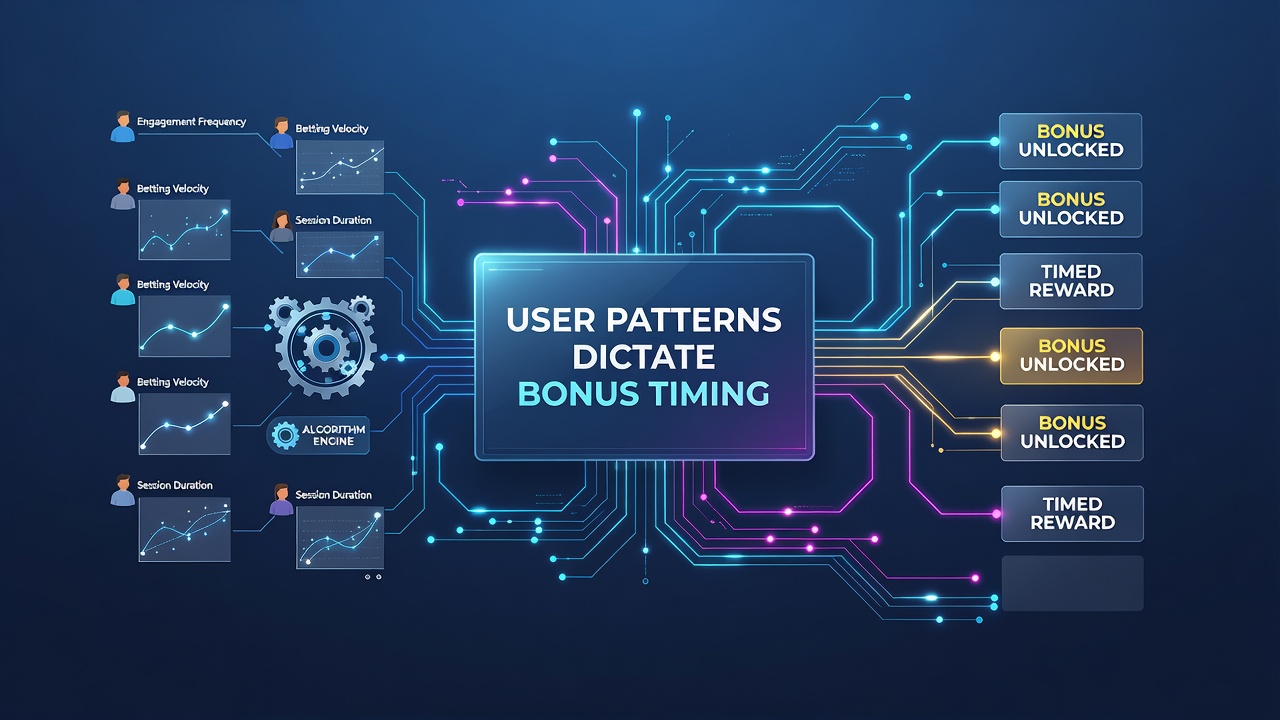
Digital wagering platforms now align bonus releases with detailed user activity cycles rather than fixed calendars, and this shift stems from extensive tracking of login frequencies, deposit rhythms, and session durations across sportsbooks, casinos, and poker rooms. Operators collect granular data on when participants engage most actively, then schedule incentives to coincide with those windows, which increases retention metrics without requiring additional marketing spend.
Data Patterns Driving Incentive Schedules
Research from industry analytics firms shows that peak user engagement often clusters between 7 PM and 11 PM local time on weekdays, with secondary spikes occurring on Friday afternoons and Sunday evenings before major sporting events. Platforms respond by triggering deposit-match offers or free spin packages precisely during those intervals, and the timing adjustment produces measurable lifts in conversion rates according to internal operator reports. Mobile app telemetry further reveals that users who log in after 10 PM tend to prefer instant-play casino titles, prompting operators to push time-limited reload bonuses exclusively to that segment during late-night hours.
Seasonal variations add another layer, since betting volumes rise sharply around major tournaments or holidays, yet the most sophisticated systems now layer micro-adjustments based on individual histories. One operator in the northeastern United States documented that users with consistent Tuesday afternoon deposits responded best to bonus codes released at 2 PM rather than generic evening drops, and similar segmentation appears in European markets where afternoon coffee-break play dominates certain demographics.
Technology Enabling Real-Time Adjustments
Machine learning models process live behavioral streams to predict when a user is likely to pause activity, then surface a tailored incentive seconds before that predicted drop-off occurs. These systems track metrics such as average session length, win-loss ratios within the current session, and navigation paths between game types, allowing platforms to intervene with precision. Data indicates that such interventions can extend average session duration by 18 to 24 percent when executed within a three-minute window of the predicted lull.
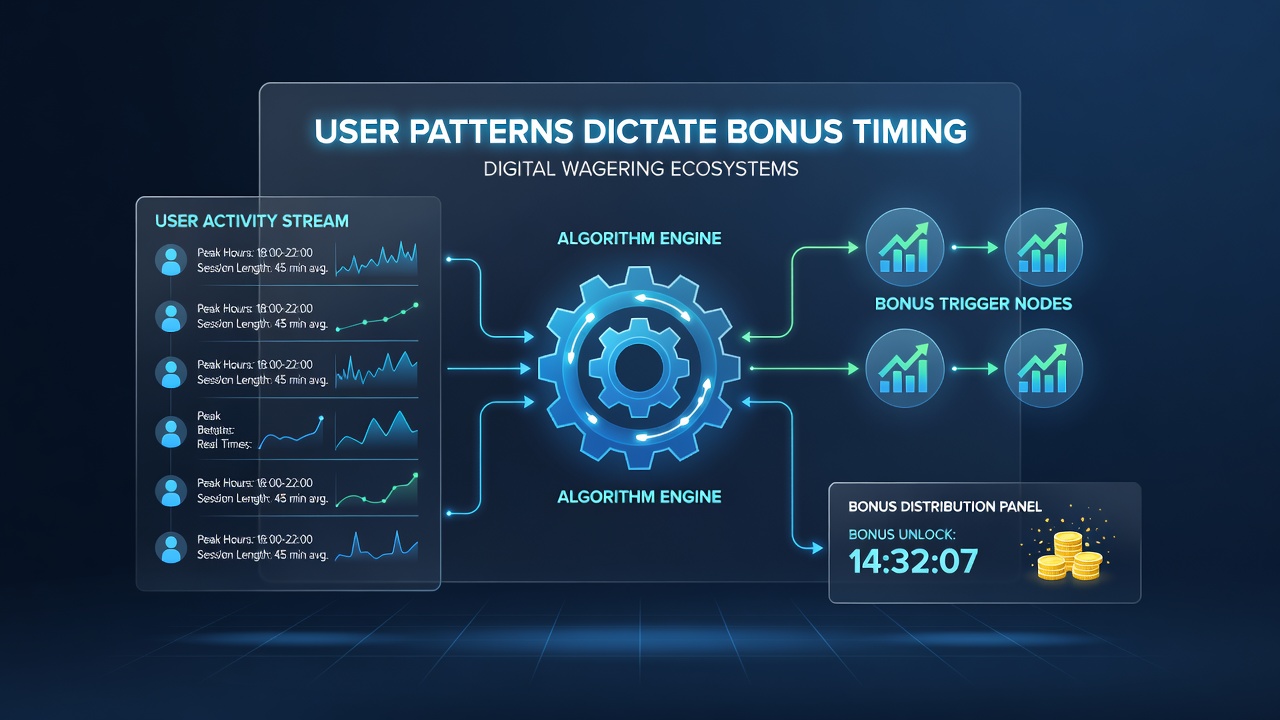
Cross-device synchronization plays a growing role as well. Users who switch from desktop to mobile mid-session often receive a seamless bonus continuation that acknowledges the transition, and operators achieve this by maintaining unified profiles that update in real time. In June 2026 several major platforms rolled out enhanced geolocation features that further refined timing by factoring in local event schedules, such as regional sports fixtures or even weather disruptions that keep users indoors.
Regional and Regulatory Influences
North American operators face additional constraints from state-level rules that limit how frequently bonuses can be advertised, which forces tighter alignment with actual user patterns to maximize impact within permitted windows. Meanwhile Australian platforms, governed by different advertising standards, have experimented with activity-based triggers that avoid fixed promotional calendars entirely. A recent report from the Ontario Problem Gambling Research Centre highlights how timing incentives around documented user fatigue points can simultaneously support responsible play measures by discouraging extended sessions without breaks.
European operators similarly adapt to varying national frameworks, with some Nordic markets requiring explicit consent for personalized timing, while southern European jurisdictions allow broader algorithmic deployment. These differences create distinct operational playbooks, yet the underlying reliance on user pattern analysis remains consistent across borders.
Impact on Different Wagering Verticals
Sportsbooks tend to synchronize bonuses with pre-game windows, releasing risk-free bet credits 45 to 90 minutes before tip-off for users who have historically placed wagers on that league. Casino environments focus more on intra-session timing, offering free spins after a set number of spins without a win or after a prolonged losing streak, both of which data shows correlate with higher churn risk. Poker rooms apply timing logic to tournament registration, pushing satellite entry incentives to players who log frequent cash-game sessions during specific weekday blocks.
Observers note that these vertical-specific approaches converge when users participate across multiple product types, prompting unified reward engines that recognize activity in one vertical and deliver incentives timed for another. Such cross-vertical orchestration requires robust data infrastructure yet yields higher lifetime value figures in aggregated platform reports.
Conclusion
User behavior data now serves as the primary clock for bonus distribution across digital wagering ecosystems, replacing rigid promotional calendars with responsive systems that react to individual and collective patterns. As platforms refine these models through continued data collection and regulatory adaptation, the practice of aligning incentives with actual usage rhythms continues to expand, shaping how operators engage participants in sports betting, casino play, and poker environments alike.