8 Jun 2026
Bookmakers Roll Out Fresh Tools to Match Prediction Markets Ahead of 2026 World Cup
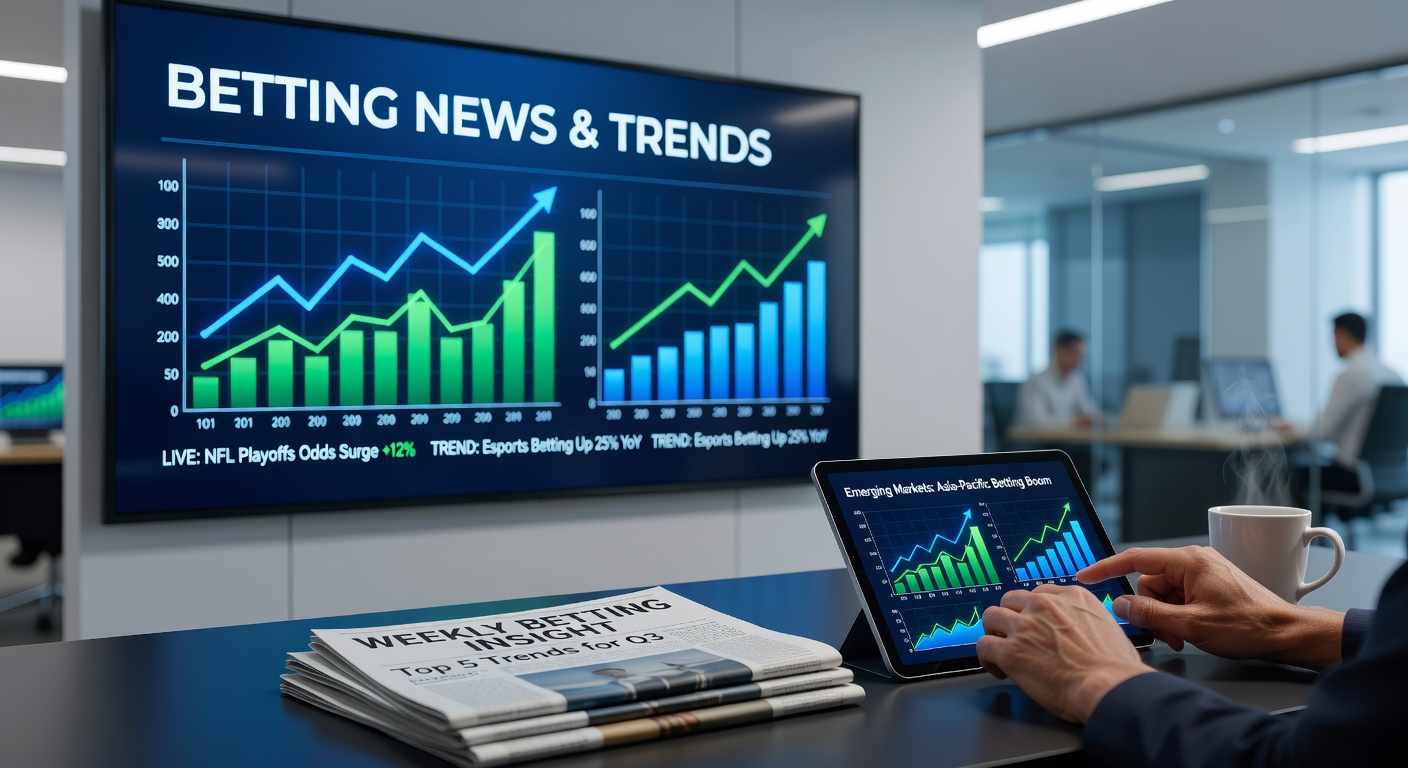
Traditional gambling operators have begun introducing specialized features designed to retain customers as prediction markets expand their presence in event-based wagering, particularly with the 2026 World Cup approaching in June 2026, and industry reports show these moves come as prediction platforms capture increasing shares of football betting volume. The shift reflects broader competition where established bookmakers face platforms that allow direct trading on outcomes without traditional odds structures, and data from multiple operators indicates they are responding with enhanced user interfaces, real-time adjustments, and integrated tools that mirror aspects of prediction market mechanics.
Operators Target Event Betting Growth
Multiple gambling groups have accelerated development of new betting products in recent months, focusing on features that provide greater flexibility during major tournaments like the upcoming World Cup, while prediction markets have recorded steady gains in participation rates across regulated jurisdictions. Observers note that these operators are prioritizing elements such as dynamic odds updates, peer-to-peer style matching, and customizable wager options, all aimed at matching the appeal of markets where users effectively set their own prices based on collective sentiment. Research from financial publications highlights how this competition has intensified since prediction platforms secured larger market shares in political and sports events, prompting bookmakers to adapt quickly before the global football showcase begins.
Prediction Markets Expand Reach in Football
Prediction markets have gained traction by offering transparent pricing mechanisms and lower overhead structures compared to conventional sportsbooks, and figures from trading volumes demonstrate rising interest among bettors who prefer event contracts tied directly to match results or tournament progressions. In the lead-up to June 2026, these platforms continue to attract users through simplified interfaces that allow trading on probabilities without fixed bookmaker margins, while established operators respond by rolling out complementary tools that blend traditional betting with market-driven elements. Experts tracking industry trends point to regulatory clarity in certain regions as a factor enabling this expansion, though the core driver remains user demand for varied wagering formats during high-profile events such as the World Cup.
New Features Address Competitive Pressure
Bookmaking firms have introduced upgrades including advanced analytics dashboards, instant cash-out options tied to live market movements, and loyalty programs that reward volume across both standard and prediction-style bets, and these changes coincide with reports of prediction markets securing additional liquidity ahead of major international tournaments. The adjustments allow users to engage in ways that echo the continuous trading found on prediction exchanges, yet they remain anchored within licensed operator frameworks that handle compliance and settlement processes. Data compiled by sector analysts shows operators investing heavily in technology partnerships to deliver these capabilities at scale, ensuring they can compete directly for the large betting volumes expected during the 2026 World Cup cycle.
Market Dynamics Shift as World Cup Nears
With preparations underway for June 2026, the interplay between traditional gambling groups and prediction markets has produced noticeable changes in product offerings, as operators seek to maintain relevance in a landscape where event contracts trade with increasing frequency and visibility. Studies of user behavior indicate that bettors often split activity across multiple platforms, prompting gambling companies to develop hybrid features that combine fixed-odds security with the fluidity of market pricing. This evolution continues without signs of slowing, and companies have signaled further enhancements will roll out in stages through the remainder of 2025 and into early 2026.
Conclusion
The ongoing response from gambling operators underscores how prediction markets have altered competitive dynamics in sports betting, particularly as the 2026 World Cup draws nearer and both sides position themselves for substantial activity. Operators continue refining their approaches through targeted innovations, while prediction platforms maintain momentum through established growth patterns in event wagering. The developments tracked in sources such as World Cup sparks betting battle between bookmakers and prediction markets illustrate a sector adapting in real time to shifting user preferences and technological possibilities.