Behavioral analytics reshaping access patterns to entry-level incentives in integrated gaming ecosystems
Sage Müller · Jul 17, 2026
Behavioral analytics reshaping access patterns to entry-level incentives in integrated gaming ecosystems
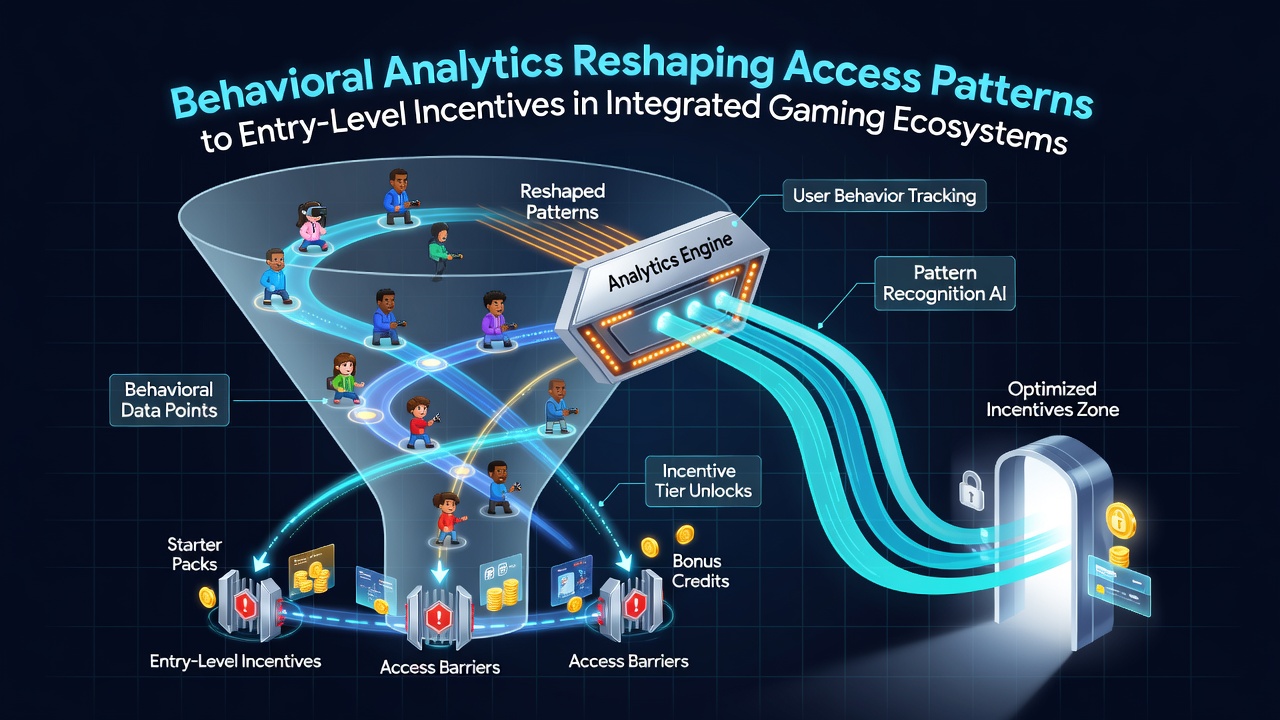
Behavioral analytics now drives how entry-level incentives reach players across sportsbooks, casinos, poker rooms, and esports platforms that operate as single ecosystems. Platforms collect data on session length, deposit frequency, game selection sequences, and navigation paths, then apply algorithms that adjust which welcome offers, no-deposit bonuses, or first-bet credits appear for each account. The shift replaces static eligibility rules with dynamic thresholds that update in real time based on observed activity.
Data inputs that determine incentive visibility
Systems track dozens of variables including time between registration and first deposit, preferred device type, peak login hours, and response rates to previous promotions. When a new user completes a deposit within the first hour after download, the platform may surface a higher-value reload match rather than a standard free bet. Operators integrate these signals with third-party identity verification feeds so the same player receives different entry offers depending on whether they arrive through a mobile app or desktop site.
July 2026 data from multiple North American operators showed that accounts flagged for extended browsing sessions before registration received sequenced bonus codes that unlock only after the user completes an initial wager on a specific vertical. This approach reduces bonus abuse while increasing cross-product engagement within the first seven days.
Integration across verticals changes timing and format
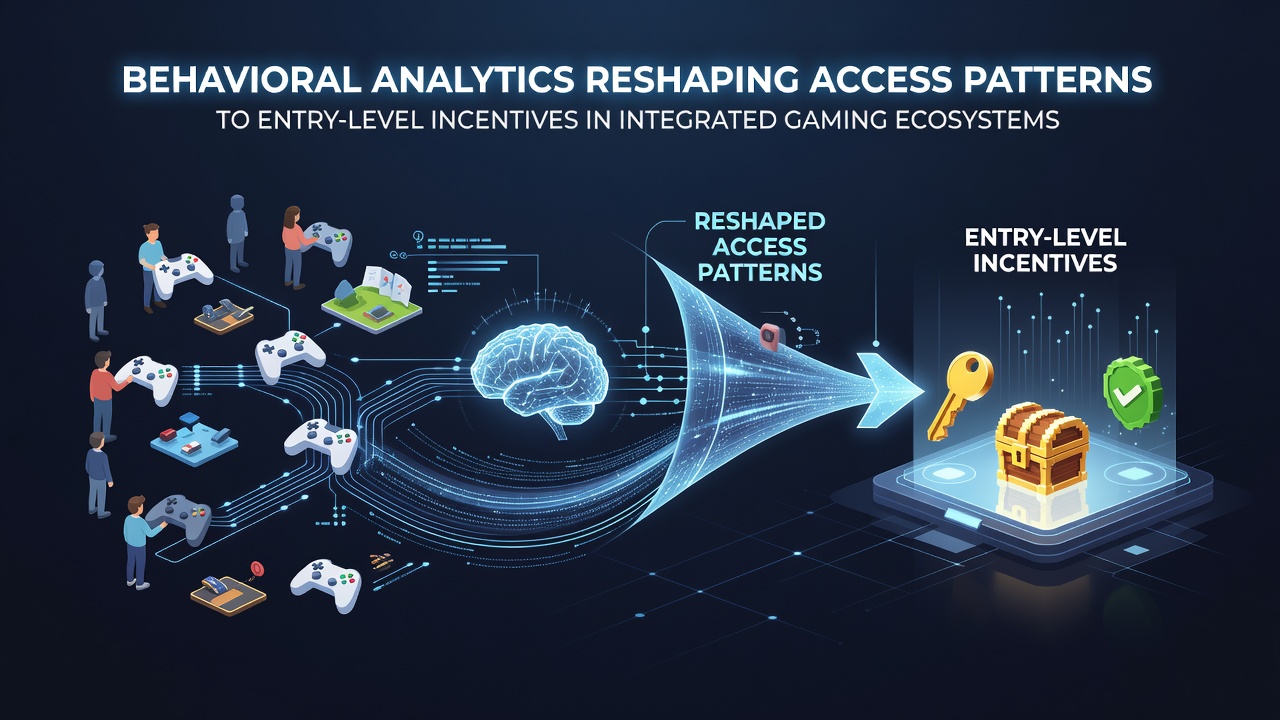
Integrated ecosystems link player profiles so activity in one product influences offers in another. A user who places several small poker tournament entries may see sports betting credits appear the next day, whereas heavy slots players encounter casino-specific deposit matches instead. The algorithm weighs vertical-specific metrics such as average bet size and game volatility against broader account health indicators like deposit method stability and withdrawal history.
Regulatory and technical considerations in mid-2026
State regulators in several U.S. jurisdictions now require operators to document how behavioral models affect bonus distribution, particularly for players located near state borders where geofencing rules apply. Compliance teams export anonymized cohort data to demonstrate that incentive access does not create unfair advantages for any demographic segment. Technical teams maintain audit logs that record every model update and the resulting change in offer visibility for each user cohort.
Canadian provincial frameworks and Australian state commissions have issued parallel guidance that emphasizes transparency around data sources used for personalization. Operators respond by publishing simplified explanations inside account dashboards so users understand why certain entry incentives appear or disappear based on their activity patterns.
Platform examples and observed outcomes
One multi-state operator adjusted its welcome flow in spring 2026 after internal analysis revealed that users who engaged with esports titles first converted at lower rates than those who started in traditional sportsbooks. The platform introduced a brief esports-specific free-to-play challenge that, once completed, unlocked a standard deposit match previously reserved for sports bettors. Conversion metrics improved without increasing overall bonus liability.
Another network operating across poker, casino, and sportsbook verticals began weighting time-of-day data more heavily. Players logging in during historically low-traffic windows received targeted no-deposit spins or small poker bankroll boosts calibrated to their historical session length. The adjustment increased average daily active users during off-peak periods while maintaining consistent incentive costs per acquired account.
Future adjustments expected through late 2026
Research groups affiliated with university gaming studies programs continue to examine how behavioral models interact with responsible gaming tools. Early findings suggest that real-time adjustments based on play velocity can surface responsible gaming messaging at the same moment an entry incentive is presented, creating a paired experience rather than separate interventions.
Industry associations including the American Gaming Association have begun collecting aggregated statistics on these practices to support future policy discussions. Meanwhile, operators refine their models using A/B testing frameworks that isolate individual data points such as device fingerprint stability or referral source quality.
Conclusion
Behavioral analytics continues to evolve the mechanics of entry-level incentive delivery in integrated gaming environments. Platforms rely on expanding datasets and regulatory-compliant modeling to match offers with observed user patterns, while maintaining audit trails and cross-jurisdictional reporting standards that keep pace with July 2026 enforcement expectations. The result is a more granular system in which access to welcome bonuses, deposit matches, and first-play credits reflects actual engagement signals rather than uniform eligibility rules.