Algorithmic Systems Manage Reward Allocation Across Esports Networks, Poker Rooms, and Prediction Markets
Sage Müller · Aug 12, 2026
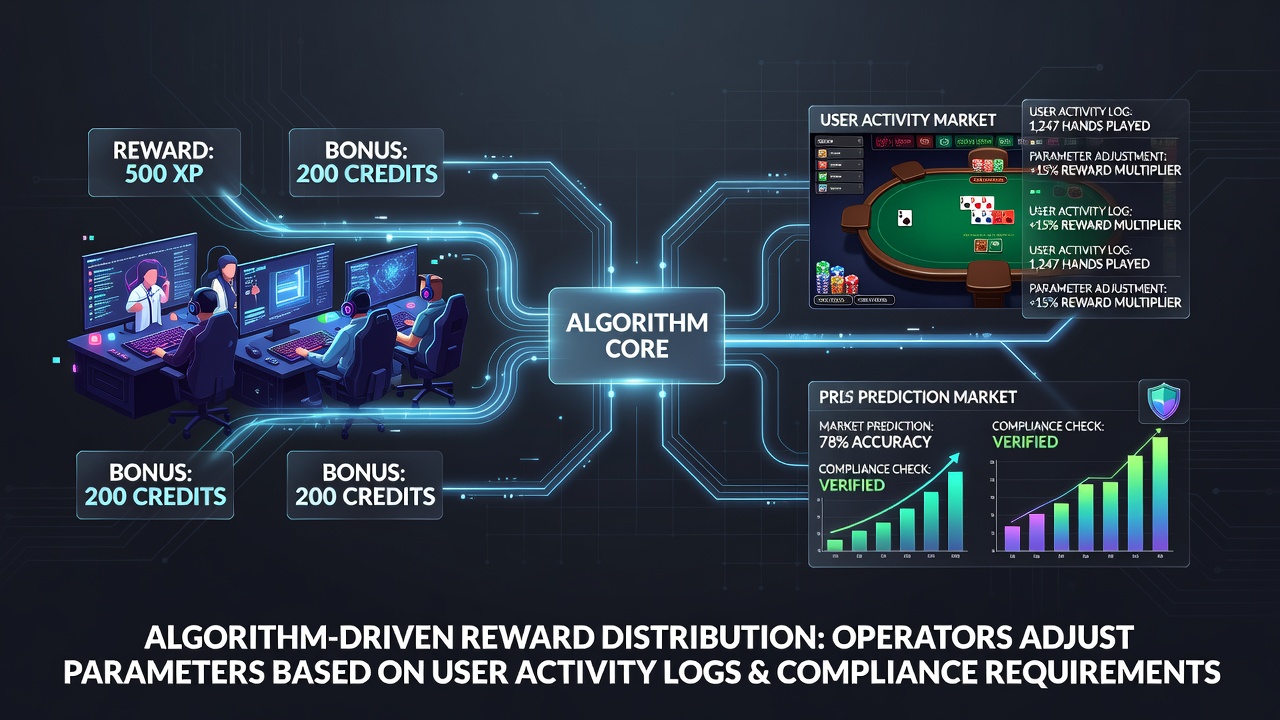
Algorithmic Systems Manage Reward Allocation Across Esports Networks, Poker Rooms, and Prediction Markets
Algorithm-driven systems now handle reward distribution across integrated esports platforms, poker networks, and prediction market applications, with operators adjusting parameters based on user activity logs and compliance requirements, and data from multiple sectors shows these tools process millions of transactions daily while meeting regulatory standards that vary by jurisdiction.
Platform operators collect detailed logs that track login frequency, bet sizes, session duration, and participation rates, then feed those inputs into models that calculate personalized reward tiers, and this approach allows systems to scale incentives without manual intervention at each step.
Core Mechanisms Behind Automated Distribution
These systems rely on rule-based engines combined with machine learning components that analyze historical patterns, while compliance modules cross-reference user locations against geofencing rules before any reward activates, and operators report that updates to these modules occur weekly in response to new state or provincial directives.
Take one network that integrates esports tournaments with poker cash games, where the algorithm shifts bonus eligibility when activity logs reveal clusters of users from restricted regions, adn the same logic applies to prediction market contracts that settle according to external event outcomes.
Activity Logs Drive Parameter Adjustments
User activity logs serve as the primary data source for recalibrating reward multipliers, and figures from industry reports indicate that platforms reviewed over 1.2 billion data points in the first half of 2026 alone, which led to more than 400 documented parameter changes across major operators.
Researchers at academic institutions have documented how these adjustments maintain engagement levels during off-peak hours, whereas compliance teams use the same logs to generate audit trails that regulators request during routine examinations, and this dual use reduces the time needed to produce required documentation from weeks to hours.

Integration Across Multiple Vertical Markets
Convergence of esports, poker, and prediction markets creates shared user pools that algorithms treat as single profiles, and this integration allows a player who completes a prediction market contract to receive an esports tournament entry credit without separate registration steps, while poker rake-back calculations incorporate activity from the other two verticals.
Operators in North America and parts of Europe have implemented cross-vertical ledgers that update in real time, and according to data released by the American Gaming Association, combined handle from these categories exceeded $180 billion in the twelve months ending July 2026, with algorithmic rewards accounting for an estimated 18 percent of player retention spend.
Compliance Requirements Shape Model Updates
Regulatory bodies in different regions impose distinct constraints that force frequent model retraining, and one example involves Canadian provincial rules that require explicit opt-in confirmation before any algorithmic reward triggers, whereas certain U.S. state frameworks focus on maximum payout caps per user per month.
Those who manage these systems describe quarterly reviews where legal teams supply updated compliance matrices, and the engineering groups then encode those matrices as new constraints within the reward engine, and this process ensures that parameter changes remain synchronized with evolving statutes.
Observed Patterns in August 2026
As of August 2026, several major platforms introduced enhanced logging features that capture device fingerprint data alongside traditional metrics, and these additions help algorithms detect multi-account behavior that could violate terms across esports leaderboards, poker tables, and prediction market positions simultaneously.
Industry organizations such as the National Council on Problem Gambling have published guidance urging operators to embed responsible gaming flags directly into reward algorithms, and platforms that adopted these flags early report measurable reductions in self-exclusion overrides.
Conclusion
Algorithmic reward distribution continues to expand across the three verticals as operators refine data pipelines and compliance layers, and ongoing regulatory developments will likely prompt additional parameter adjustments in the months ahead, while the underlying architecture remains centered on activity logs that feed automated decision engines.